
2CIFF 21 - 23 AUG 2026
Sunday skyroom

Blue Sky
Director: Tony Jopia
The dying wish of her father makes a young woman break free from the shackles tying her to a humdrum life, leading her to embark on an adventure that will change her life forever.

Strings Attached
Director: Danny Cotton
In a world where people communicate with each other through tins cans and string, a young woman, crippled with anxiety struggles to get her life back on track and navigate the outside world. As she tries to gain the confidence to engage with others again, she sees a society unable to connect with each other and distant to everything going on around them.
Director Statement
With this project I was looking to highlight how our modern world, and the ways we currently communicate with each other may have pulled us further apart in certain respects.
In an ever changing world of uncertainty, many people struggle to cope with their lives. As money worries, work stress and current events surrounding us take their toll mental health issues build within us - leading to social anxiety and self isolation. Add to this the inclusion of social media and communication through smartphones, it becomes easier to hide away from the outside world and fall further into isolation. We lose the ability to engage in a physical manner and find it difficult to connect with people. With newer generations being born into this high tech - little contact society we see people being accustomed to looking down to their palms rather than up to what is going on around them.
This is represented in the film through the inclusion of the cans and string - in this world these devices can be used in both a landline and mobile capacity, but only have this one function. No apps or social media feeds to distract. However, some of the individuals present seem to have lost all social capacity and use the cans as a comfort to distract them from the world and those around them.
Missing out on the contact these devices are solely designed for. Others only talk to people when they really have too, or are afraid of the contact they give.
All showing a world fragmented and broken. The film focuses on these aspects through one person going through this trauma. She is fighting the choice to get help and begin to get her life in order or let the feelings overcome and drag her further into depression and anxiety.
Being inspired by films such as “If….” (1968) the film is comprised of both colour/black and white scenes in order to create a sense that reality is breaking for both Twyla and the audience watching. The black and white scenes, all of which are Twyla outside of her home, give the feeling that she cannot fully connect with the world and her perspective is askew. It also gives the feeling that these scenes may not be happening exactly as they are, and could be Twyla’s internal thoughts and feelings playing out as she sees them - or wants to see them in the case of the latter scenes.
It leaves the film open to interpretation for these breaks in colour, hopefully adding a thought provoking reaction to Twyla’s experiences as she tries to get back on track.
With these ideas of social anxiety and the struggles of communication, I hope to pose a question to the audience through its theme:
Has our modern world caused us to lose something of our former selves?

Behind The Reflection
Set within a raw and intimate world, this film follows a young woman navigating addiction, identity, and emotional disconnection. As her internal conflict deepens, moments of vulnerability and self-destruction blur the line between escape and reality. Through a stripped-back and honest lens, the film explores the weight of unresolved pain and the fragile search for self within the queer experience.
Director Statement
This film came from a place of wanting to explore the parts of ourselves we often avoid — the quiet struggles around identity, addiction, and emotional isolation that don’t always have a clear resolution.
I was drawn to telling this story through a raw and stripped-back lens, allowing moments to breathe without over-explanation. I wanted the audience to sit with discomfort, to feel the internal conflict rather than be guided through it.
At its core, this is a story about survival — about what it means to exist within yourself when you feel disconnected from the world around you. The queer experience within the film is not presented as a statement, but as a lived reality, where identity and struggle are intertwined rather than separated.
This project was created with limited resources, but with a strong focus on honesty in performance and atmosphere. The intention was never perfection, but truth.
Ultimately, the film asks a simple question:
what happens when the only person you cannot escape is yourself?
Sunday skyroom
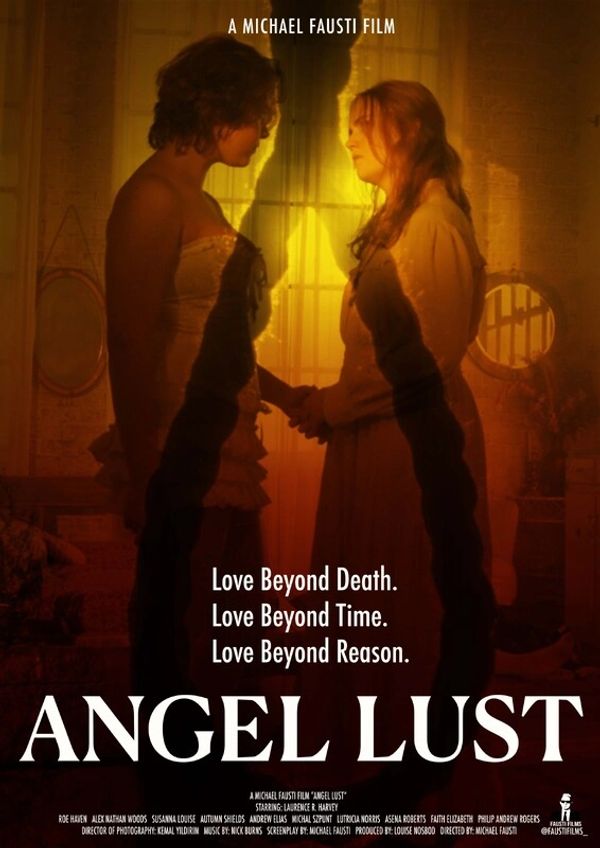
Angel Lust
Director: Michael Fausti
In 1782, Ophelia Danube faces the hangman’s noose for her forbidden desires. But death may not be the end. A mysterious mentor offers her a chance to find her lover Celeste again - not just once, but across the endless corridors of time. As Ophelia’s obsession drives her through era after era, dark forces conspire to make certain that some loves are truly doomed.
Director Statement
"Angel Lust" is about the trap of obsession disguised as devotion, and how the structures designed to condemn love don't just end at death - they echo across time itself. I've always been drawn to stories that refuse linear comfort and Angel Lust is no exception.
The film begins with Ophelia on the Gallows in 1782. Ophelia is offered chances to find her lover Celeste across different eras, but she's against forces larger than herself. "Angel Lust" is, fundamentally, about love under institutional condemnation. The church, the state, the family. These structures have historically positioned desire, but LGBTQ+ desire particularly, as deviant, sinful, worthy of punishment. Our film asks: what if the systems designed to erase love don't stop at the grave? What if they pursue you across time itself?
The circular structure of “Angel Lust”; the Möbius strip narrative, is essential to this. We don't experience Ophelia's journey as progress toward resolution. We experience it as repetition. The same moment approached from different angles, each time frame revealing something new about the trap she's in. This isn't a story about whether she'll succeed. It's about whether she can learn to stop trying.
I'm interested in narratives that don't offer easy comfort or redemption. Ophelia isn't a hero on a quest for happy endings. She's trapped in a cycle of her own making, and the only way out requires accepting what she cannot accept: that loving someone means allowing them to exist beyond your grasp. "If you love someone, set them free" isn't a gentle platitude in this film, it's a violent, impossible demand.
Horror and Fantasy have always been the genres that speak most honestly about social control. The monsters are rarely just monsters; they are manifestations of repression, of systems, of conformity. In "Angel Lust," the horror isn't supernatural in the traditional sense. It's the architecture of time warped by obsession. It's the weight of religious authority that declares certain loves sinful and then punishes them across eternity. It's the realization that sometimes the person we need to free isn't our lover, it's ourselves.
We made this film for £16,000. Every pound on screen came from our own resources, our own belief that this story needed to exist. When you can't rely on spectacle or scale, you're forced to confront what your film is actually about. For us, that's always been the narrative themes, the performances, and the atmosphere. The visceral experience of consciousness confronting its own contradictions.
I wanted to make something that felt like literary horror, formally ambitious, thematically dense, uncompromising. Something that trusts audiences to sit with discomfort and ambiguity. This is a film that exists because it has something to say about obsession, control, and the terrifying freedom that comes from letting go.
This is our third self-financed feature. Each one has been an act of artistic independence, a refusal to compromise vision for commercial viability. "Angel Lust" continues that commitment. It demands something from its audience.
That's exactly what cinema should do.
Michael Fausti
Director/Writer, "Angel Lust"
Fausti Film
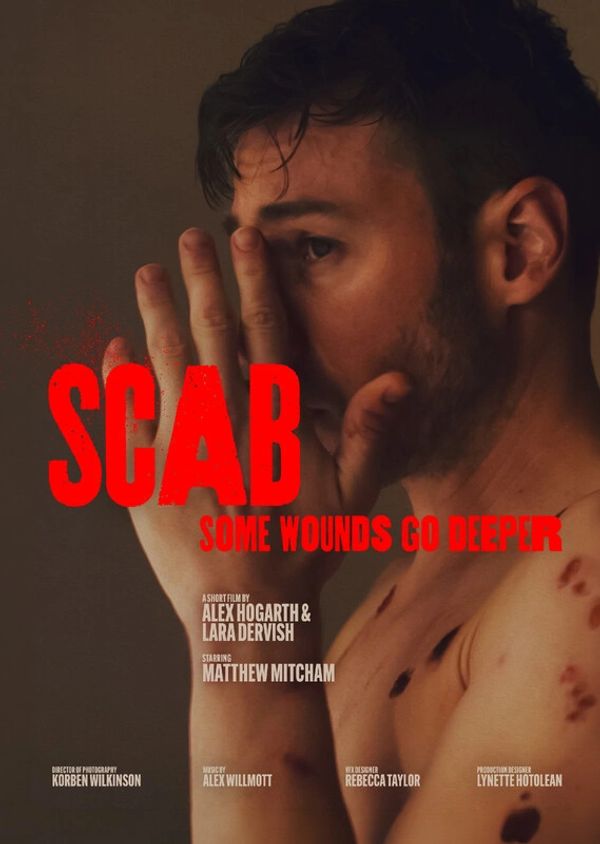
SCAB
Michael has learned how to pass — composed, controlled, unremarkable. Living with Dermatillomania, he hides behind carefully built habits in a world quick to judge what it doesn’t understand.
But as those coping mechanisms begin to fail, the line between control and compulsion collapses, exposing the quiet violence beneath.
Director Statement
Scab arose from a desire to explore the parts of ourselves we hide, and the mask we put on before stepping out into the world. What began as a visual metaphor for trauma quickly evolved into a deeper study of Body Focused Repetitive Behaviours, in particular Dermatillomania - commonly known as skin picking disorder. Lara and I wanted to confront the stigma surrounding these experiences. Having Matthew bring his lived experience to the role grounded everything in authenticity.
Scab only scratches the surface, but we hope the film allows people to feel seen, and encourages a deeper understanding of the things we often keep concealed or may not understand.
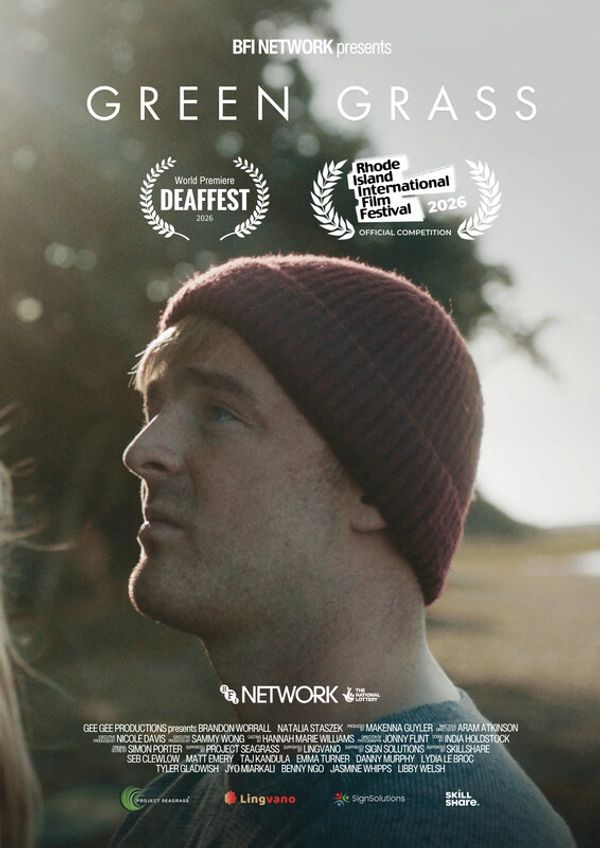
Green Grass
Director: Aram Atkinson
Declan is a disengaged biology student who cares more about drawing than his degree, but now in his second year, where grades
count, even his closest friends don’t want to partner with him for this term’s assignment. Out of options, Declan is forced to work
with the new girl, Claire, a proud and ambitious Deaf eco-activist pushing through the lack of accessibility in universities. On the
mudflats and pebbled shores of the south English coast, their different attitudes quickly bubble to the surface, but so might long-
hidden secrets and a friendship if they stand in the seagrass long enough.
Sunday skyroom
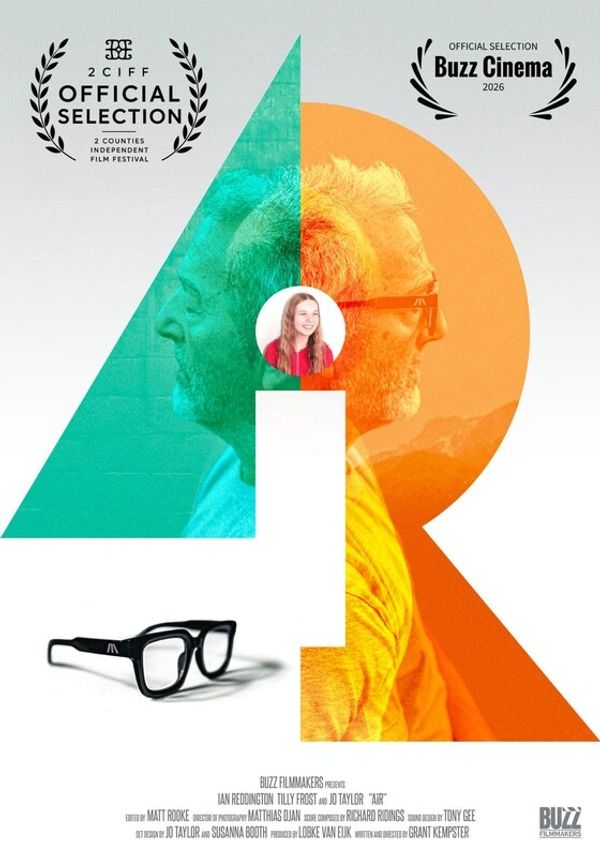
AIR
Director: Grant Kempster
Every life requires balance and while J does his best to maintain his, forces beyond his control threaten to tear through the tenuous structure that holds his world together. If he doesn’t act fast, he could lose his home, his love and even the air that he breathes.
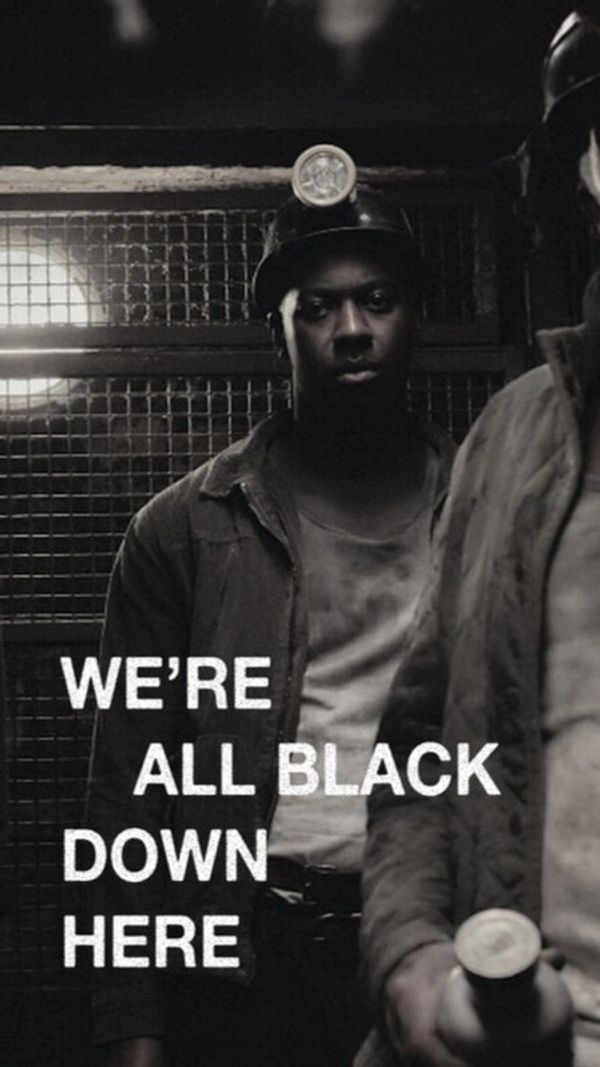
We're All Black down Here
Director: James William Mellors
In racially divided 1950s Britain an Afro Caribbean miner struggles to find acceptance above ground.

RISE
Director: Jessica J. Rowlands
A charismatic young boy who lives on a rubbish dump in Zimbabwe must convince a reclusive boxing coach to teach him to fight to find safety and strength in a world that has left him behind.
Director Statement
RISE is inspired by the true story of my close friend, Tobias Mupfuti, who grew up on the streets of Victoria Falls, Zimbabwe. After unimaginable challenges and decades of resilience, Tobias now runs a successful boxing gym that funds an orphanage for underprivileged children in our community.
I connect deeply with coming-of-age stories about children searching for safety and a place to call home. RISE is a film about two boys - at different times in their lives - craving connection and who, through the sport of boxing, find a home in each other.
At its core, RISE is a tender, platonic love story, dressed up as an edgy boxing movie. I am deeply passionate about showing things on screen that we haven’t seen before: whether that be Zimbabwe and the rich tapestry of Zimbabwean culture and talent that lies largely untapped and unnoticed in Hollywood, or male intimacy and vulnerability in a hyper-masculine world.
I have always connected most with stories that make me feel a little less alone in the world, and a little less afraid, so I see it as my mandate to make films within that tradition.
I want to make art that embodies hope, and through specificity and honesty, creates real human connection. RISE exemplifies that sentiment and the core of who I am as a filmmaker.
Sunday skyroom
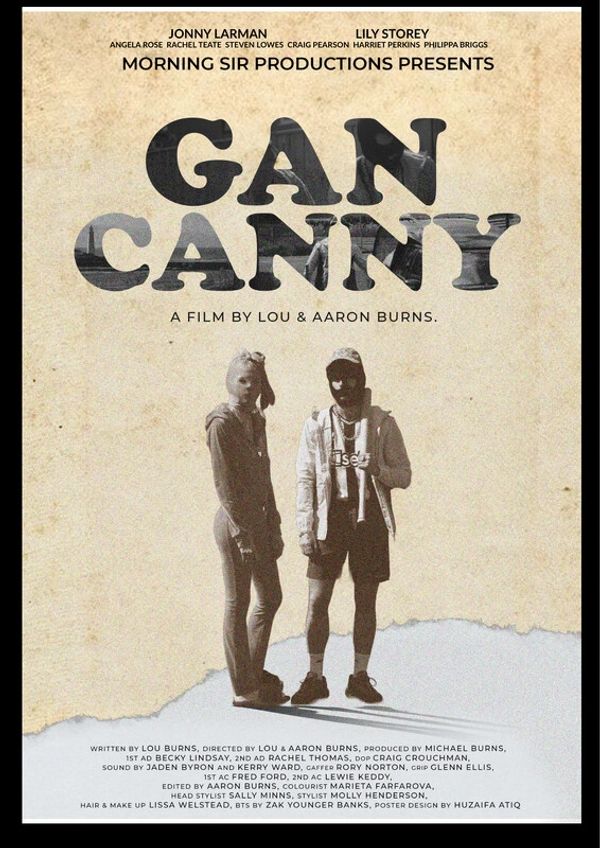
Gan Canny
Director: Lou Burns, Aaron Burns
A BIFA Qualifying, Royal Television Society award winning darkly comic, working class, North Eastern family comedy/drama. Siblings Tyler and Paige don't agree with the way their estranged mam has arranged their Nana’s funeral, and impulsively take matters into their own hands. What follows is a clumsy grand theft hearse as the siblings decide to take Nana on one last road trip before saying their final goodbyes. What could possibly go wrong?
Gan Canny is a dead funny tale of grief, grudges and Geordie culture. It's heartfelt, it's hilarious, and it's deeply disrespectful in the most joyful of ways. What's not to love?
Sunday VIBE room

S I C K
Director: Taira Foo
S I C K follows a man’s internal fight with depression as movement and shadows blur reality. Drawn through raw choreographic sequences and psychological tension, he confronts an unseen intruder and haunting memories of his partner. Elastic becomes both prison and possibility, can he choose hope when darkness is all he sees?
Director Statement
S I C K was born from lived experience, my own, and the many young people I’ve worked with over the years. It began as a stage production, but I always knew it needed to live beyond the theatre.
This film was driven by the devastating loss of four students, all of whom studied on the same performing arts course at a college where I taught. Each of them took their lives on separate occasions. That loss sits at the centre of this work. It’s what made this project not just necessary, but urgent.
As a choreographer and movement director, I’m drawn to what the body says when words fall short. S I C K uses movement as expression, resistance and release. I wanted to explore one man’s internal world of depression, using elastic, walls, breath and space to mirror emotional weight, disconnection and collapse.
We filmed in a disused Wilko building in Leighton Buzzard, transforming it into a charged, surreal environment symbolic of a pressured mind. Much of the cast are local collaborators, and the piece was shaped through conversations with mental health advocates, young people and members of the community.
S I C K is not just a film. It’s a response. It’s an act of telling the truth, honestly and without compromise.
My hope is that it can open up space for dialogue, reach people who feel unseen, and be used in settings where movement and film might help unlock what silence holds.
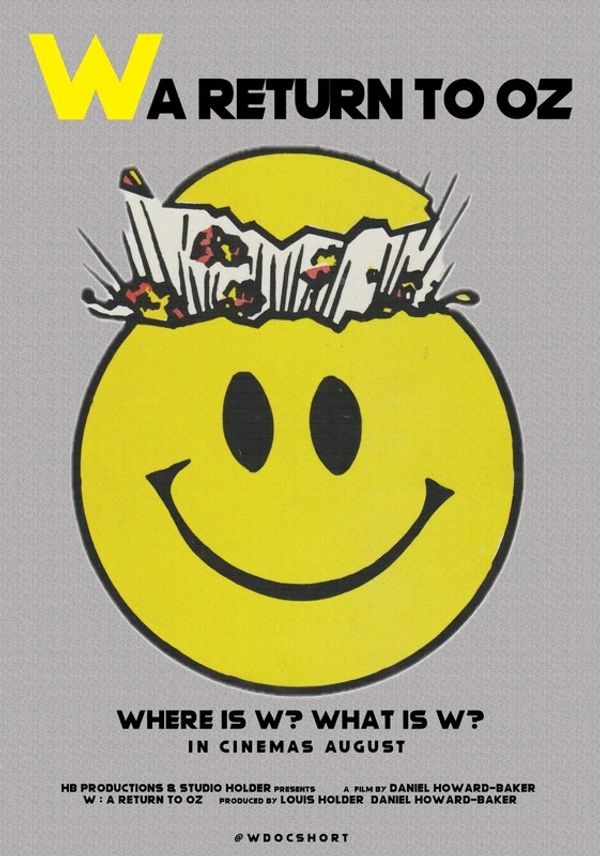
W: A Return To Oz
Director: Daniel Howard-Baker
Locked and loaded with film tape, a man explores an abandoned rave house, once known as The Warehouse, that was once the beating heart of the South West’s clubland.
Director Statement
Plymouth, like many places in the western hemisphere, has an epidemic of abandoned buildings and spaces. The idea originally came about to explore these buildings and their history and to compare and contrast to now. It’s a striking idea that all the buildings and spaces we hold dear growing up can be snuffed away in an instant as if it never existed and your memories of it mere dreams. I came across the former The Warehouse club only through online threads and anecdotes, discovering a massive eye sore of a building that remained hidden and invisible to me growing up. But despite being invisible to the passer by or driver, it remains a sarcophagus of music and memory ready to explode.
Plymouth is a city with the characteristics of everything great and terrible about Britain simultaneously. From its lush seaside views, heritage streets and culture to its concrete jungle estates, poverty and violent crime. In Plymouth, it is the best of times and the worst of times. The Warehouse, and the five or so clubs in its interior, had everything you want in a club - a diversity of music, people, drinks, drugs, strobes, chill outs, massive speakers and a MC to drive the night through - a microcosm for the grand state of clubland across the globe.
With this exploration into W we explore the rest of Britain and the world in its decline and development and see what place nightlife and youth spaces have in our world as we progress into the century.
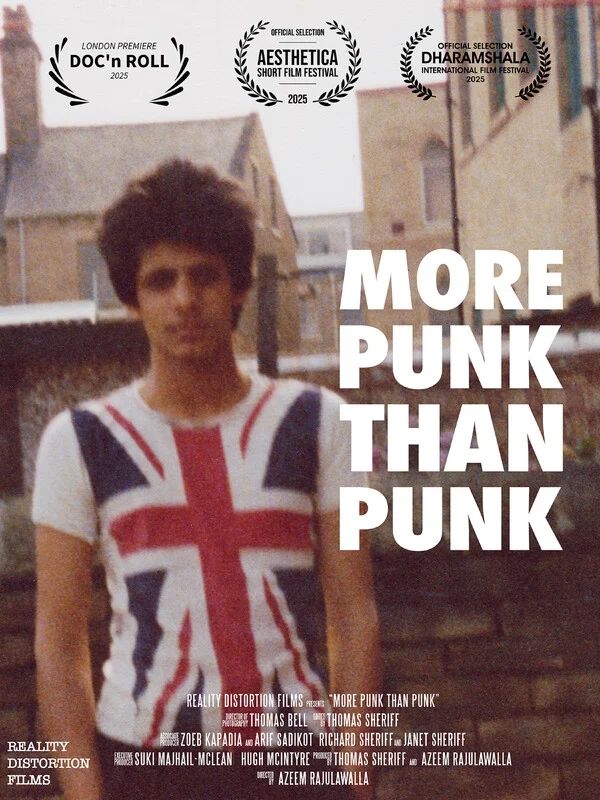
More Punk Than Punk
Director: Azeem Rajulawalla
Aki Nawaz founded Southern Death Cult and Fun-Da-Mental, spending decades navigating his identity as a Pakistani punk artist. His music has always fused the personal with the political — but in 2006, he channels this into his most controversial album yet, with All Is War – The Benefits of G-Had - a raw, furious response to post-9/11 Islamophobia in Britain.
Sunday VIBE room
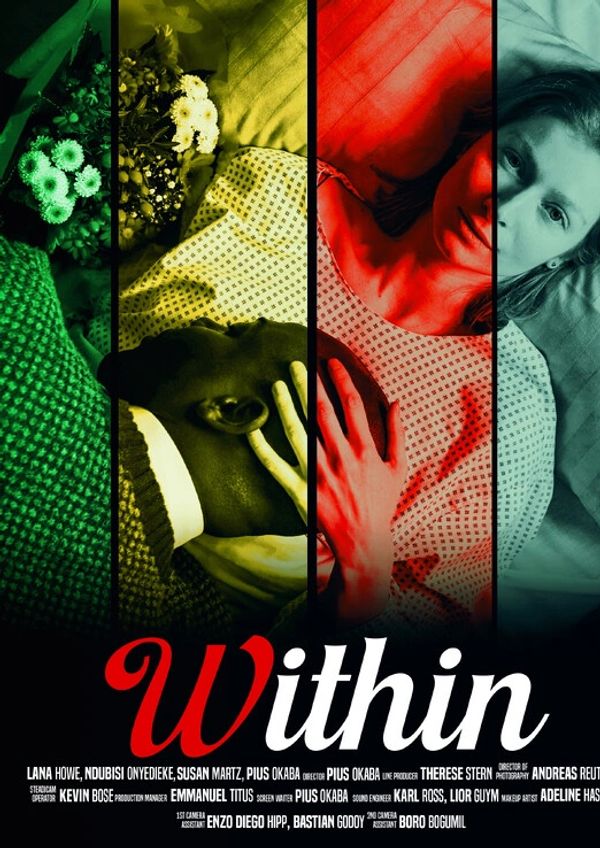
WITHIN
A woman's desperate struggle with drug addiction takes a thrilling turn when her mother, her legal guardian, manipulates her into betraying her supportive husband. The protagonist battles not only her addiction but also the complex web of family loyalty and personal autonomy. This dramatic thriller explores the internal and external conflicts as she fights for sobriety while navigating her mother's influence and the heart-wrenching choice between her marriage and family ties.
Director Statement
WITHIN is a deeply personal film for me. It comes from that quiet, private place where grief does not announce itself, but lives in the body. Sometimes it shows up as distance. Sometimes, as anger. Sometimes as the need to numb out. And sometimes, it shows up as the terrible clarity of realising the people meant to protect us can also be the ones who wound us the most.
At the centre of this story is a woman trying to claw her way back to herself. Addiction is the surface battle, but the deeper fight is for autonomy. When her mother, acting as her legal guardian, tightens the grip, sobriety becomes more than recovery. It becomes an act of rebellion. A refusal to be authored by someone else. The betrayal that fractures her marriage is not just a plot twist. It is the kind of betrayal that leaves a person questioning their own memory, their own judgment, and even their right to choose.
I wanted "WITHIN “ to feel like a thriller happening inside a heart. The pressure of loyalty. The shame of disappointment. The ache of needing love from someone who cannot love you safely. The impossible choice between the family you came from and the family you are trying to build. These forces collide until the protagonist is pushed to a breaking point. And in that break, a question emerges: when you have been controlled for so long, what does freedom even look like?
This film is not interested in easy villains or simple redemption. It is about the messy aftermath. The tenderness that survives the damage. The strength it takes to stay sober in a world that keeps handing you reasons not to. Most of all, it is about what happens when the war is not only around you, but within you—and you decide, for the first time, to fight for your own life.
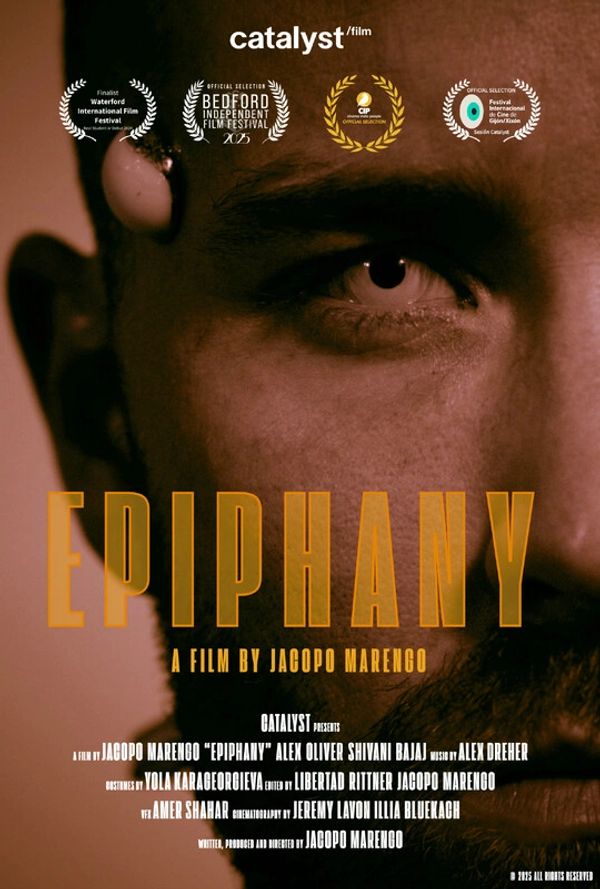
Epiphiny
A man wants to complete a virtual reality survival game, which begins to challenge him with the family responsibilities he avoids in real life, forcing him to confront them before the countdown reaches zero.
Director Statement
Epiphany has the objective to raise awareness of the potential negative impacts that the new technologies can have on relationships. In particular, the films deals with a disfunctional family condition where Virtual Reality is creating more and more distance between family members.
The VR game played by the main character plays a pivotal role in his life, making him live a odyssean journey through the emotions of his wife and his baby.
The film purposefully has an open end, to allow the audience to reflect on what happened to the main character but also to what is happening in our society right now.

THE REAL DEAL
Based on the unforgettable short story by acclaimed author Andy Weir, 'THE REAL DEAL' tells the story of a man in love and his supportive friend, set against the backdrop of a smoky bar in 1950s America.
Director Statement
No short story had ever resonated with me quite as strongly as Andy Weir's 'The Real Deal' did when I initially read it in 2023. Immediately, it made me think of my Grandad, who was diagnosed with dementia and entered a care home two months prior. I couldn't be physically further away from the time period and setting of 1950s New York, but almost automatically I felt like I could relate. Strangely, since that initial read (and the development of this film) my Grandad, in his increasing insanity, has grown more youthful, emotional and raw than I had ever known him to be. It's almost like his younger self, unconstrained by the weight of a lifetime of memories, is coming out of the darkness for one last spin. With this new context, the story of 'The Real Deal' grew increasingly impactful for me. Dementia is sad, yes, but it's also incredibly complex, and that's why the essence of this story resonates so well with people who have seen it up close, and why I knew I had to make it into a short film. In making this project, I was lucky to have the blessing of Andy Weir himself, as well as the support of Parkside Residential Care Home in Gidea Park, Essex, where my Grandad is staying. Dementia effects us all, and in the creation of this project I hope to honour my Grandad, as well as the millions of people who have to feel the effect of this disease every day.
Sunday VIBE room
No Light Here
Director: Emily Carter
A young woman moves through a series of quiet, unsettling encounters as she navigates a world that denies her autonomy, until a fleeting moment of beauty presents her with opportunity.
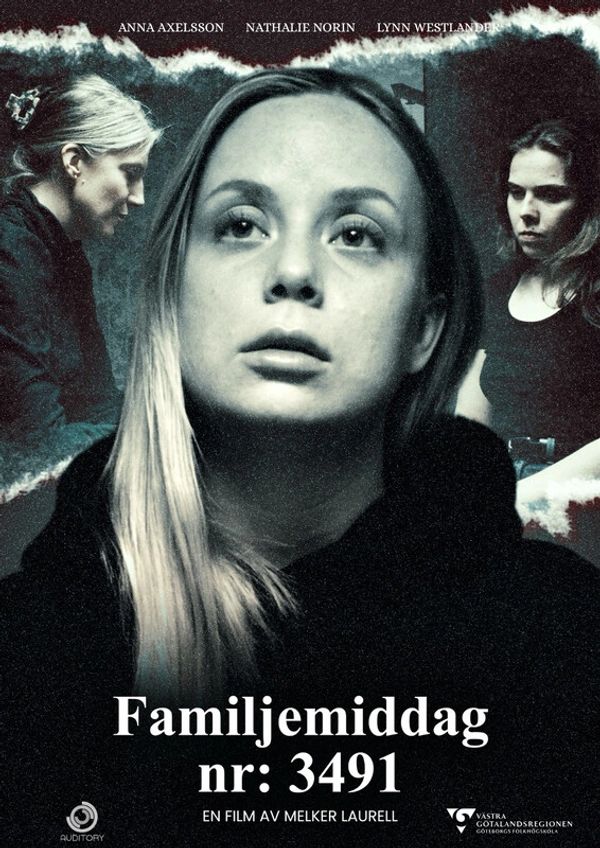
Family Dinner No.3491
Director: Melker Laurell
As a mother and her two adult daughters linger after dinner, the familiar surface slowly begins to crack, revealing a silent, deeply rooted dysfunction.
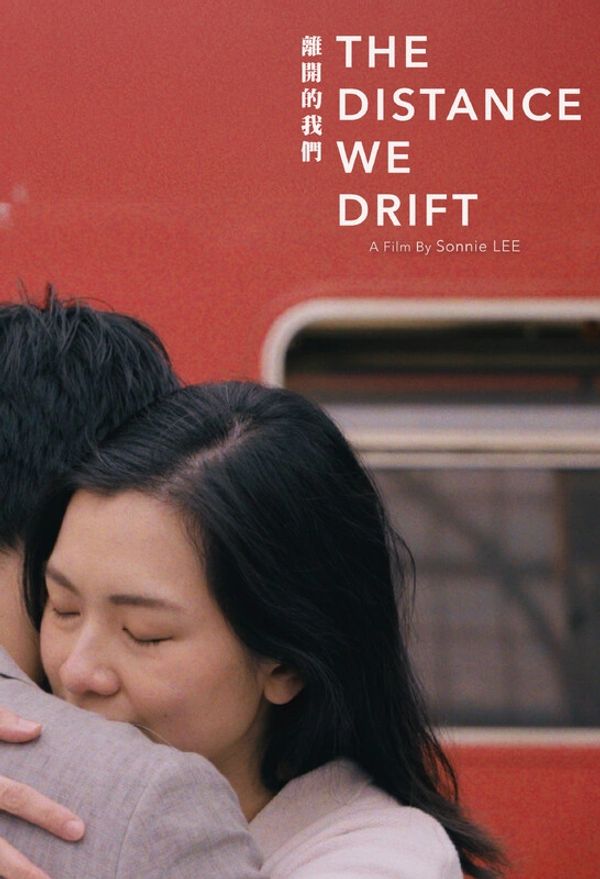
Distance We Drift
Director: Sonnie Lee
The Distance We Drift is an intimate portrait of love, memory, and displacement in modern Britain.
Ying, a Hong Kong immigrant living in the UK with her husband and young son, moves through her daily life with quiet detachment, caught between the familiarity of routine and a growing sense of emotional distance.
When she unexpectedly encounters Hong, a former lover now living a modest life far removed from his past, their reunion reawakens a connection neither of them has fully let go of. In the spaces between conversations and silences, fragments of their shared past begin to surface — revealing a relationship shaped as much by absence as by intimacy.
As they wander through London together, they become drawn to the story of a Chinese revolutionary once held in the city. Tracing his footsteps, their journey unfolds not as a search for history, but as a quiet confrontation with their own sense of belonging — and the lives they have left behind.
Told through restrained, observational moments, the film explores how distance reshapes love, and how the past continues to echo in the present, even in the most ordinary encounters.
Sunday VIBE room
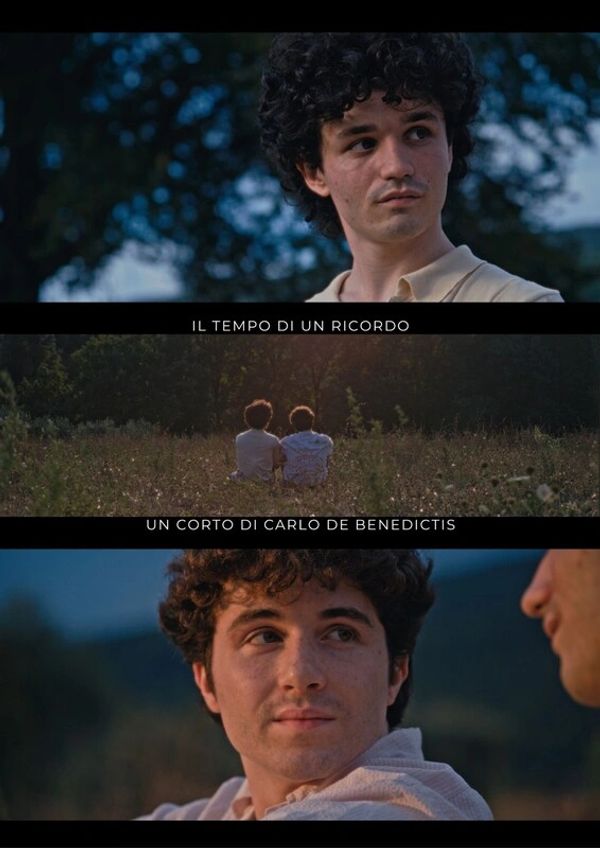
Il Tempo de un Ricordo
Director: Carlo De Benedictis
Andrea ha appena scoperto di avere un cancro in fase terminale. Vuole realizzare il suo ultimo desiderio, rivedere un vecchio amico d'infanzia Enrico.
Andrea has just discovered that he has terminal cancer. He wants to make his last wish come true, to see an old childhood friend Enrico again.
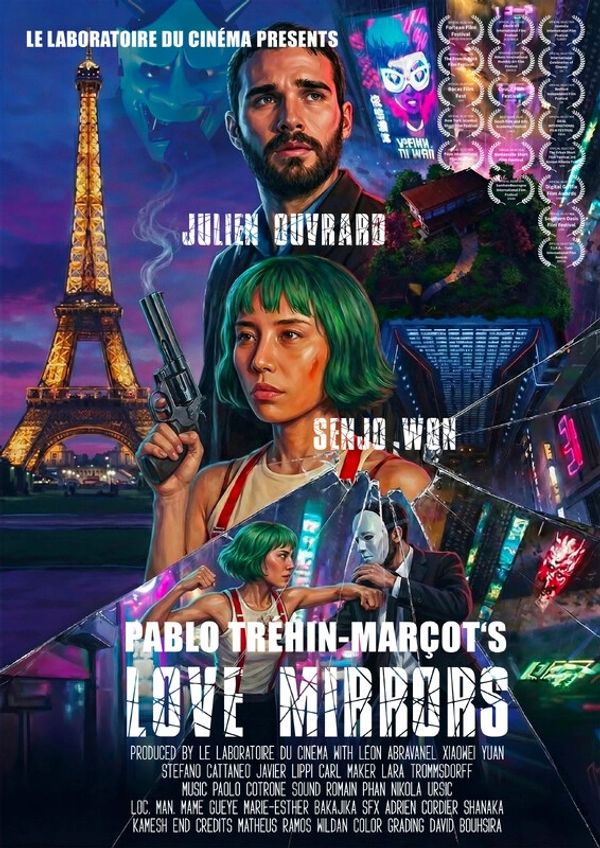
Love Mirrors
Director: PABLO TREHIN-MARCOT
Paris, today. While a couple is fighting the woman and the man both escape in there own fantasy. Will they rejoin at the end?
By Pablo Tréhin-Marçot, a prominent director, selected and awarded by over 150 festivals worldwide.
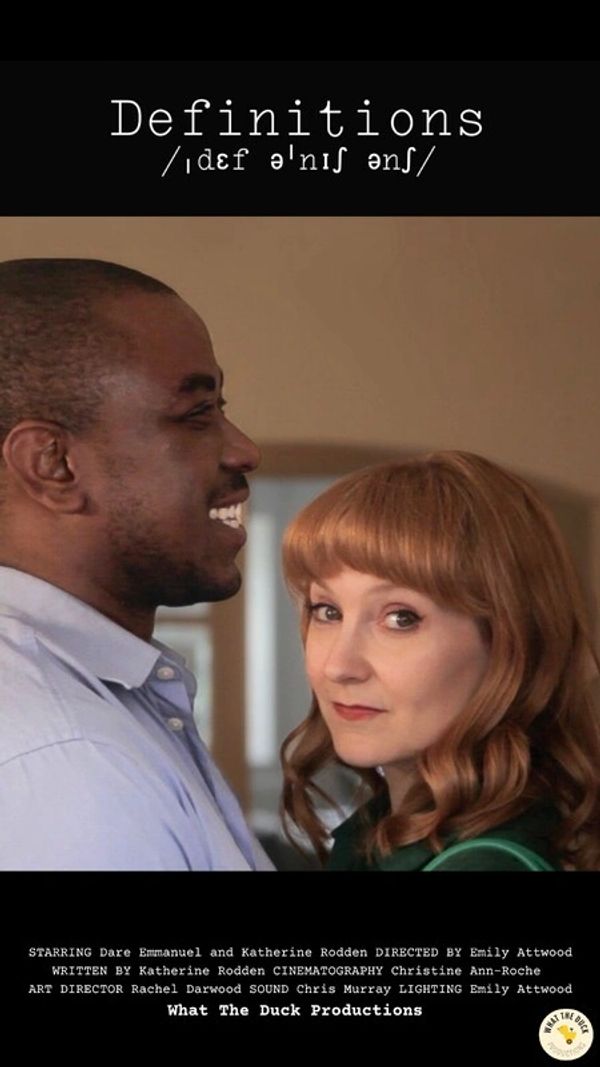
Definitions
Director: Emily Attwood
When May, an author and collector rare dictionaries meets Abel, a man sorting through his late mother’s belongings, they share a rare moment of unspoken connection.
Sunday VIBE room
6.21
Director: Sergei Ramz
Mariella gets a job as a maid at a hotel, learning along the way the clear rules of cleaning rooms and the unwritten rules of the underground floor for service staff.
The film explores the topic of freedom of choice in relationships. The title of the film coincides with the article number in the Russian Criminal Code, which punishes for promoting non-traditional relations.